The evolution of casinos A journey through time and culture
The evolution of casinos A journey through time and culture
The Origins of Gambling
The history of casinos traces back to ancient civilizations, where gambling was an integral part of social and cultural practices. In ancient China, evidence of gambling activities dates back over 2,000 years, with the creation of rudimentary games of chance. These early forms of gambling laid the groundwork for more structured gaming establishments, as they introduced concepts of chance and luck that would define the industry. Interestingly, as we reflect on this evolution, we can learn more by visiting https://eu-pair.uaic.ro/2026/03/26/understanding-the-complete-casino-experience-a/, which provides insights into the complete casino experience.
Similarly, in ancient Rome, gambling was prevalent among the elite and commoners alike. The Romans created various games involving dice, leading to organized gambling events. These early forms of gambling not only entertained but also served as a means of bonding within communities, emphasizing the social aspects that continue to be significant in today’s casinos.
The Rise of Formal Casinos
The modern casino as we know it began to take shape in the 17th century. The first official casino, the Ridotto, opened in Venice in 1638. It was a government-operated venue aimed at regulating gambling, ensuring a controlled environment for players. This establishment marked a turning point, as it combined gaming with entertainment, introducing the concept of a dedicated space for leisure and social interaction.
As gambling became increasingly popular across Europe, more casinos began to emerge. The iconic Monte Carlo Casino in Monaco opened in the mid-19th century and quickly became synonymous with luxury and exclusivity. These establishments not only catered to the wealthy but also attracted tourists, ultimately evolving into significant contributors to local economies and cultural landscapes.
The Influence of Technology
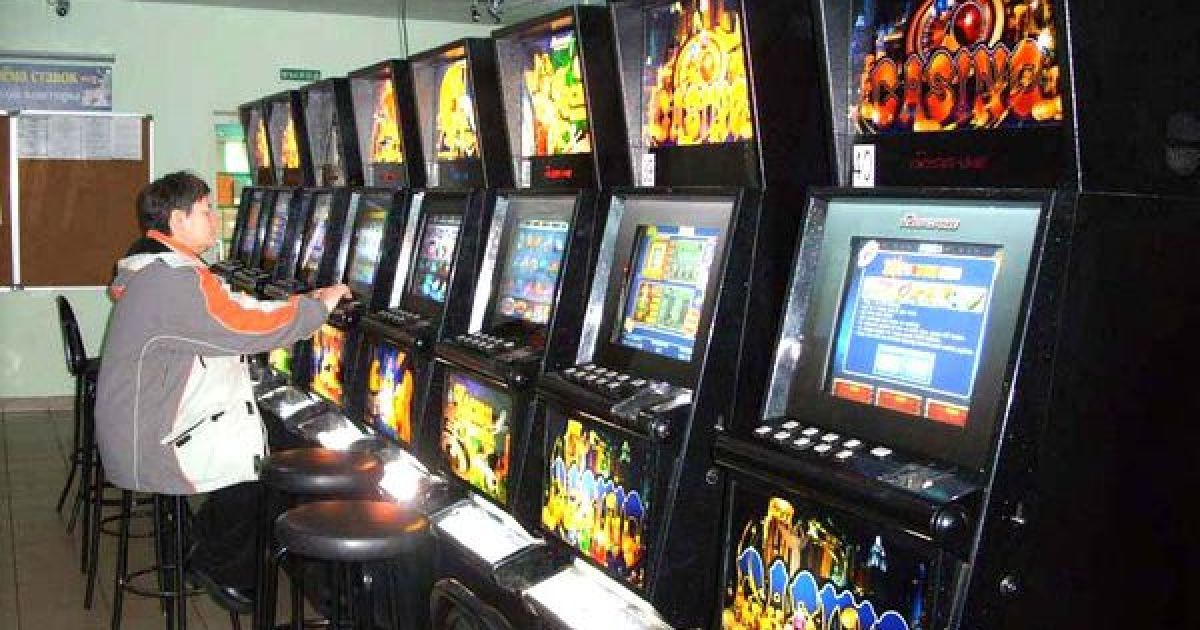
With the advent of the 20th century, technology began to transform the gambling landscape. The introduction of slot machines revolutionized the casino experience, offering players a new, exciting way to gamble. These machines quickly gained popularity due to their simplicity and potential for large payouts. Casinos began to integrate these machines into their offerings, enhancing the entertainment value and drawing in a broader audience.
The rise of the internet in the late 20th century led to yet another transformation in the casino industry. Online gambling emerged as a significant alternative to traditional casinos, allowing players to engage in their favorite games from the comfort of their homes. This shift not only expanded the reach of gambling but also introduced innovative gaming experiences, with live dealer games and mobile platforms becoming increasingly popular.
The Cultural Significance of Casinos
Casinos are not just places for gambling; they embody a unique cultural phenomenon that reflects societal values and norms. In many cultures, casinos serve as venues for celebration, socializing, and entertainment, often hosting events that foster a sense of community. They have become symbols of luxury and excitement, attracting individuals from various walks of life.
Moreover, casinos often play a role in the local economy, providing employment opportunities and contributing to tourism. The architectural designs of many casinos also reflect the cultural heritage of their locations, showcasing a blend of artistic expression and functionality. This cultural significance further highlights the evolution of casinos as multifaceted institutions beyond mere gambling.

Exploring More About Casinos
For those interested in the intricate evolution of casinos, understanding their rich history is crucial. The journey through time showcases how these establishments have adapted to changing cultural and technological landscapes, ultimately shaping the gambling experience we know today. Engaging with various resources can deepen one’s appreciation for the complex interplay of tradition and innovation in the casino industry.
As we continue to explore the future of gambling, both online and offline, it is essential to recognize the historical context that has led us here. The evolution of casinos is a testament to human creativity, societal change, and the enduring allure of games of chance. By delving into the past, we can better understand the present and anticipate the exciting developments that lie ahead in the world of gambling.